-
About PT Vale IndonesiaGo Back
About PT Vale Indonesia
Over half a century of operations in Indonesia, PT Vale Indonesia Tbk grew to become one of the leading mineral mining companies, with a longterm commitment to positively contributing to Indonesia’s sustainable development.
Access the page About PT Vale Indonesia
Access the page Our Operations
-
GovernanceGo Back
-
InvestorsGo Back
Investors
Here you find information about our shareholders, our financial highlights and statements, dividends and our annual reports. Learn more about our share range, holders, and performance.
Access the page Investors
-
Documents and ReportsGo Back
-
SustainabilityGo Back
Sustainability
Page description
Access the page Sustainability
Access the page Sustainability Topics
Go BackSustainability Topics
Access the page Programs & Initiatives
-
Opportunities in IndonesiaGo Back
-
NewsGo Back
-
ContactGo Back
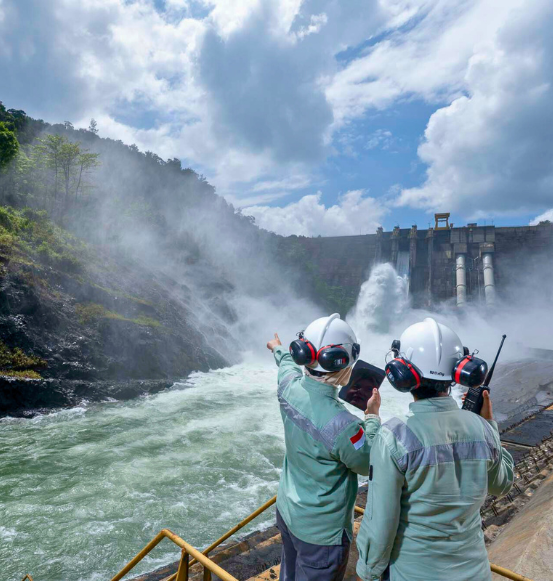
PT Vale optimizes energy efficiency and addresses climate adaptation by containing conventional air pollutants (SOx, NOx, PM) across its operations. Backed by self-generated renewable hydropower, the company scales green energy transitions to lower absolute emissions and drive systemic improvements in its global energy efficiency indicators.
Approach
Energy and emissions management is a key component of PT Vale Indonesia's environmental stewardship across our mining operations and growth projects. We are committed to improving energy efficiency, reducing greenhouse gas (GHG) emissions, and managing air emissions through integrated operational practices, responsible resource use, and compliance with applicable environmental regulations.
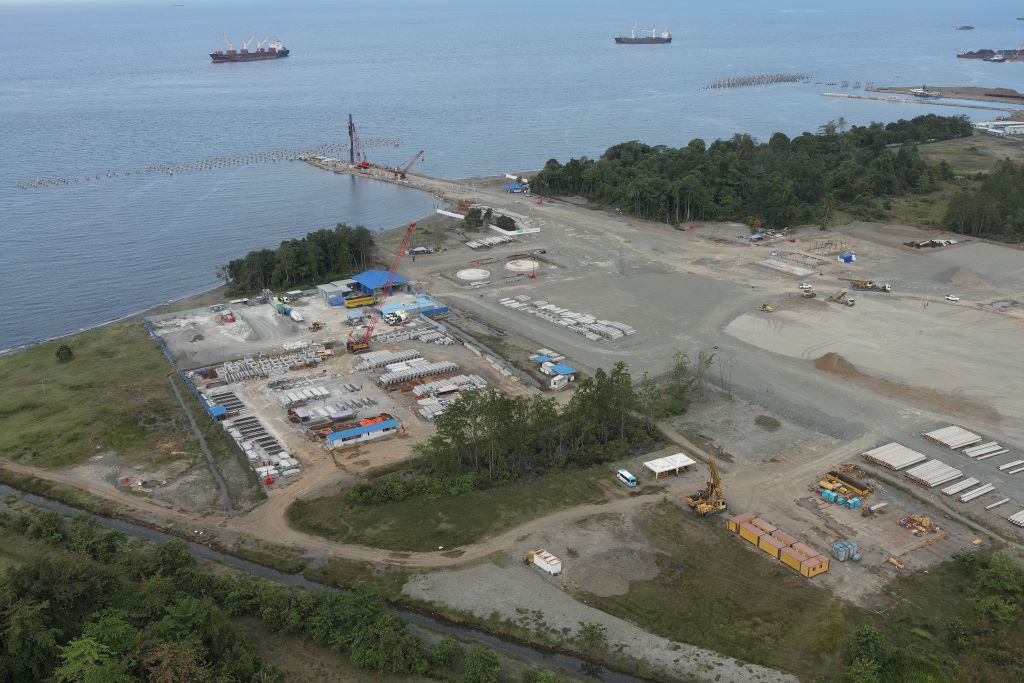
As PT Vale Indonesia expands its operations in Sorowako, Pomalaa, Morowali, and the Sorowako Limonite Project, we continue to incorporate energy efficiency and lower-carbon principles into project development and operational planning. These efforts support the Company's long-term transition toward more sustainable and resilient mining operations.
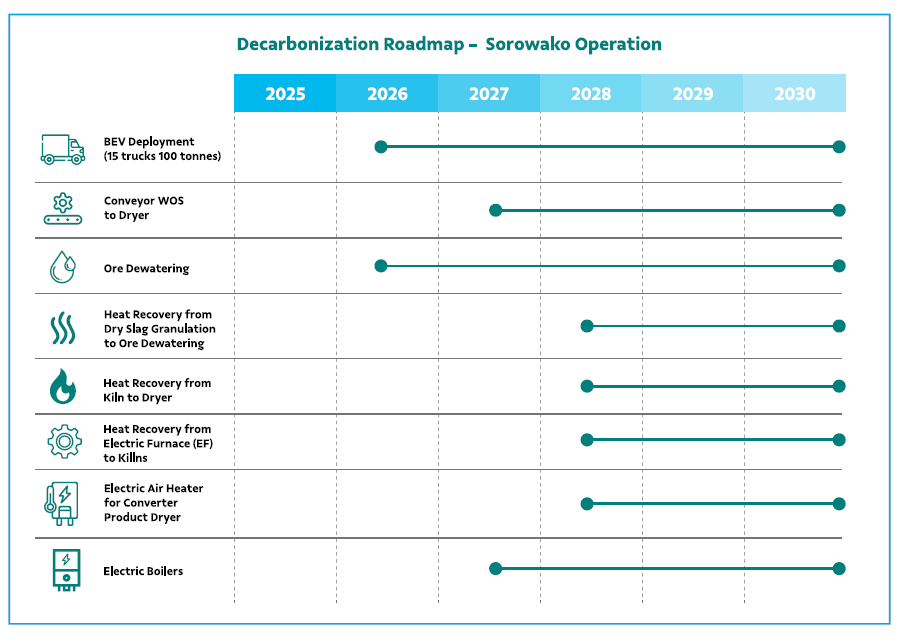
For our Sorowako operation, where nickel mining and processing are fully integrated and powered predominantly by self-generated renewable hydropower, we have established a Decarbonization Roadmap that identifies initiatives such as electrification, process optimization, waste heat recovery, and diesel reduction. This roadmap supports Sorowako's target to reduce absolute Scope 1 and Scope 2 GHG emissions by 33% by 2030 from a 2017 baseline, while maintaining safe, reliable, and efficient operations.
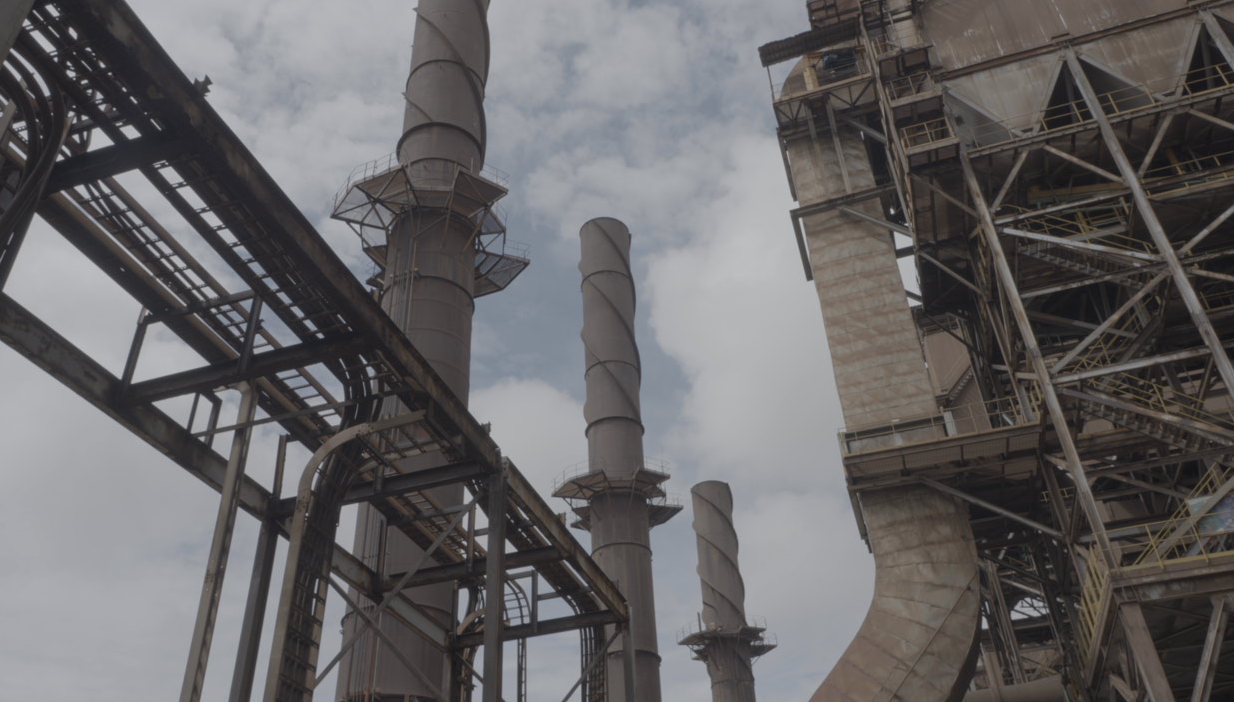
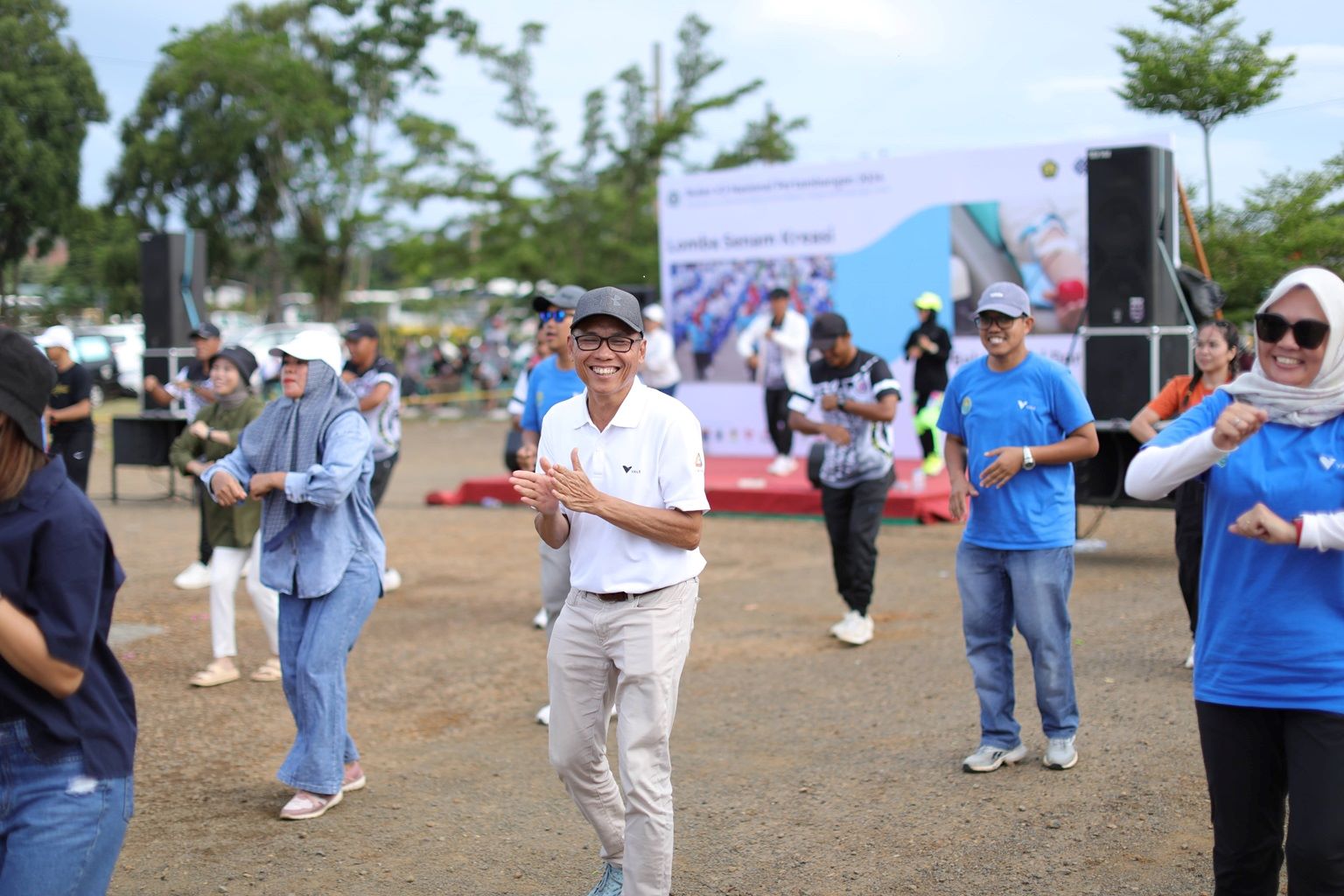
Photo: PT Vale Indonesia
Performance
Achieved a 5.51% reduction in total SO₂ emissions and a 26.39% decrease in total particulate emissions through stack controls and mine de-dusting systems. Sorowako total GHG emissions stood at 2,074,623 Ton CO₂eq, keeping the site on track for its current 2030 targets.
PT Vale Emission & Energy Management Policy and Documents
Focuses on climate change adaptation, conventional air pollution containment (SOx, NOx, PM), and scaling renewable power to secure global energy efficiency indicator improvements.

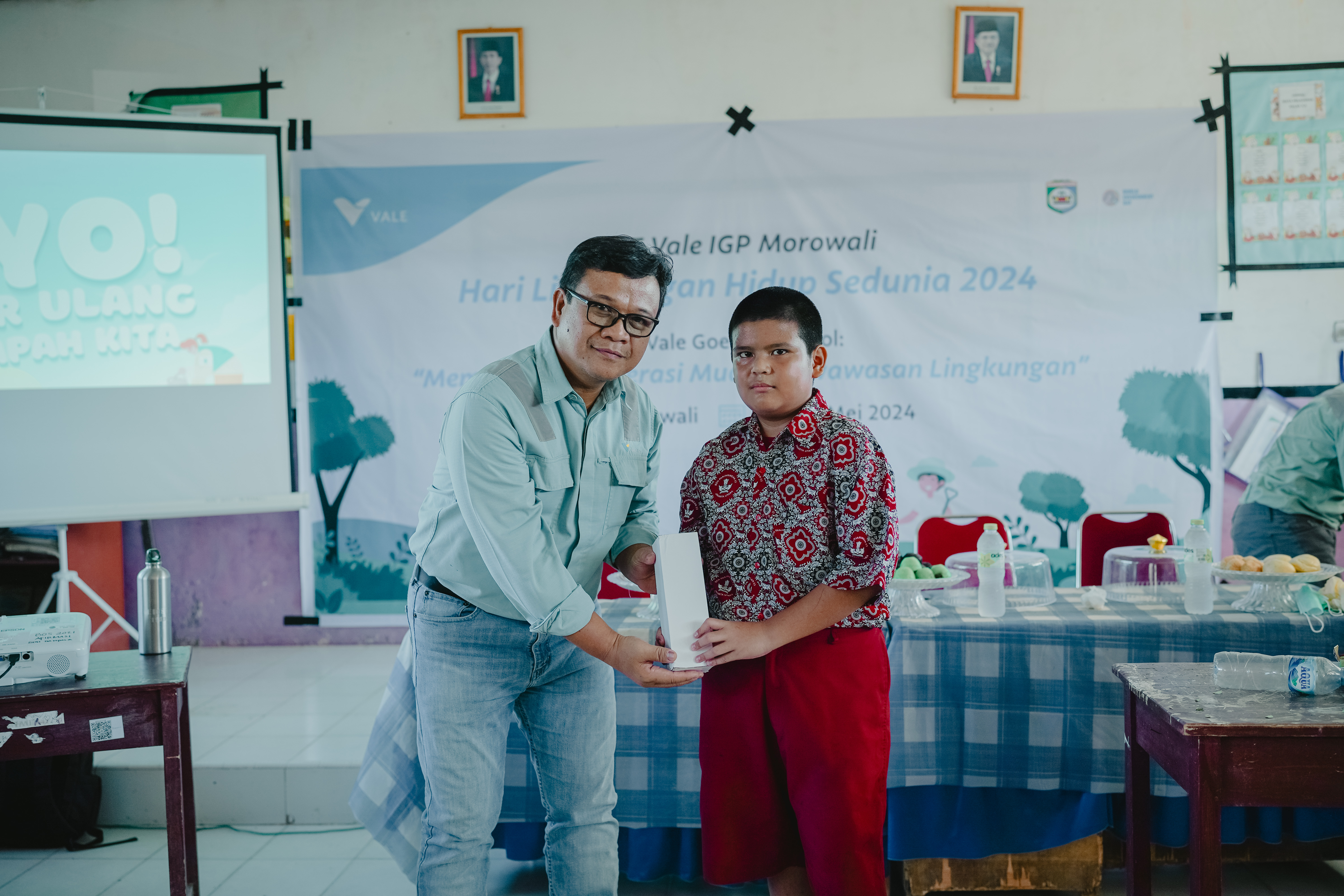
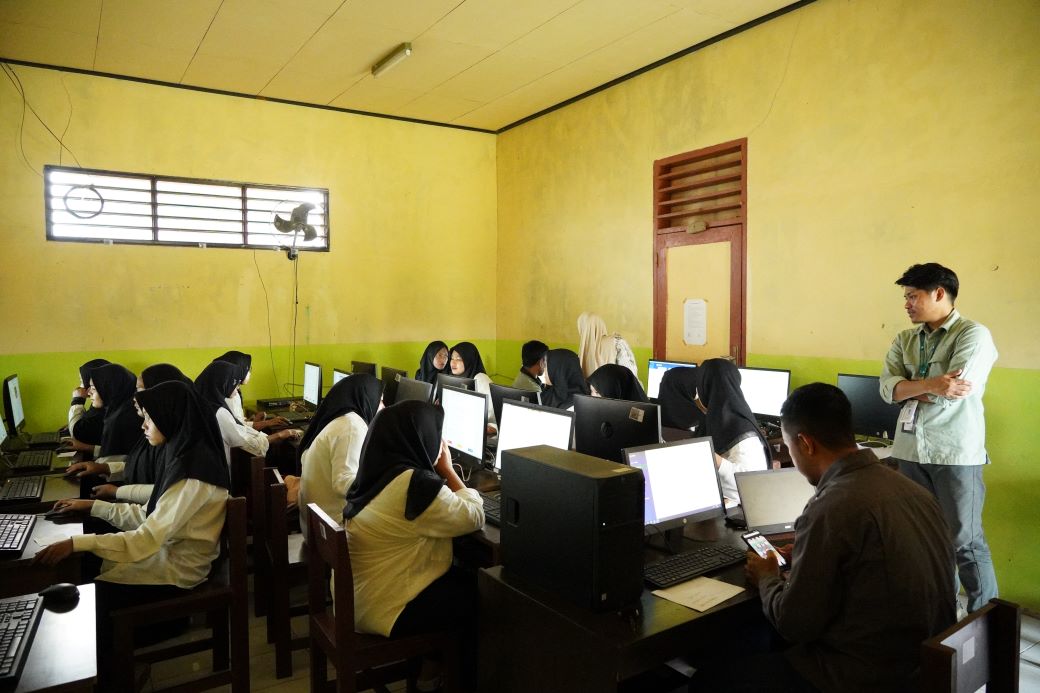
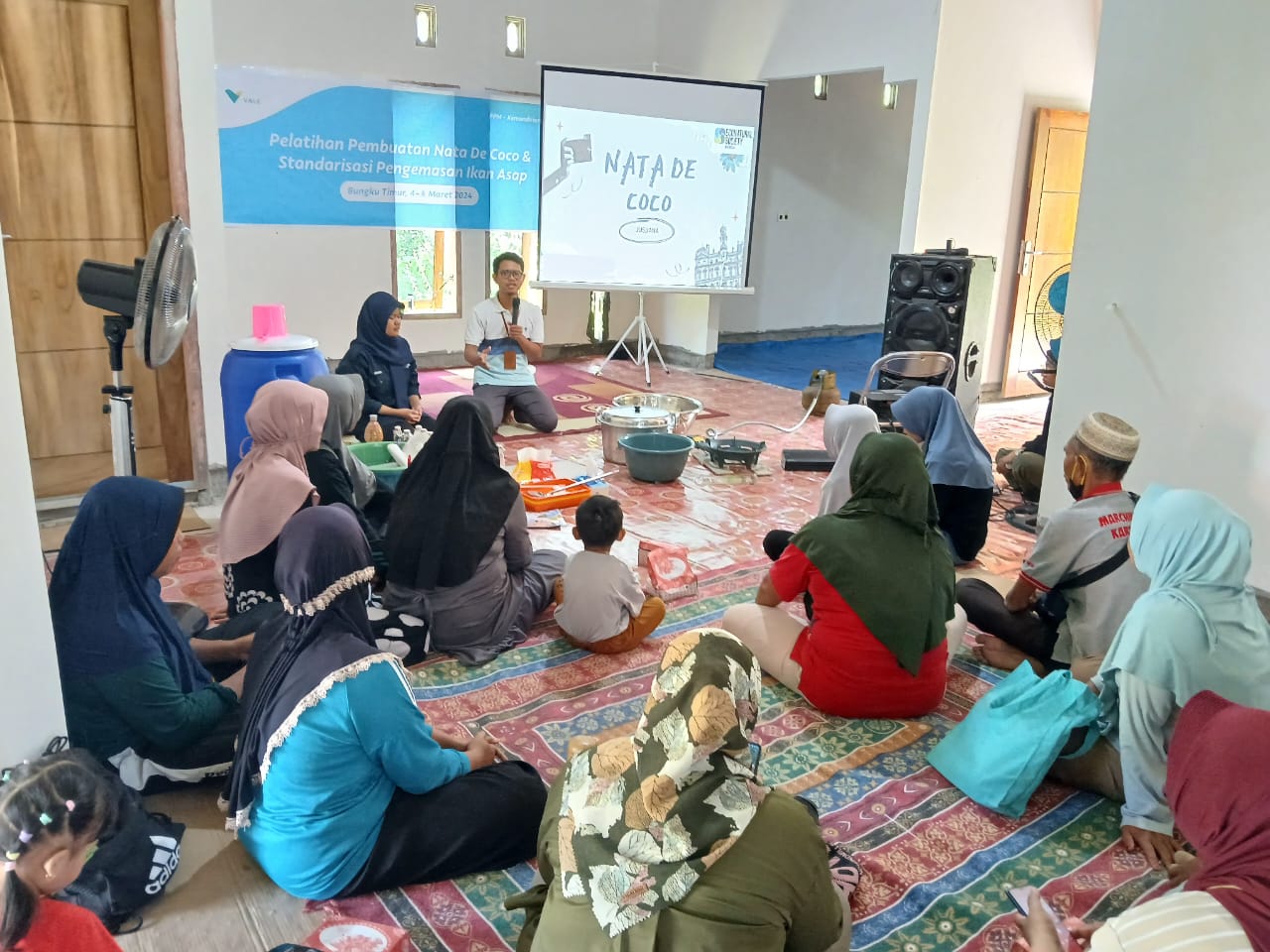
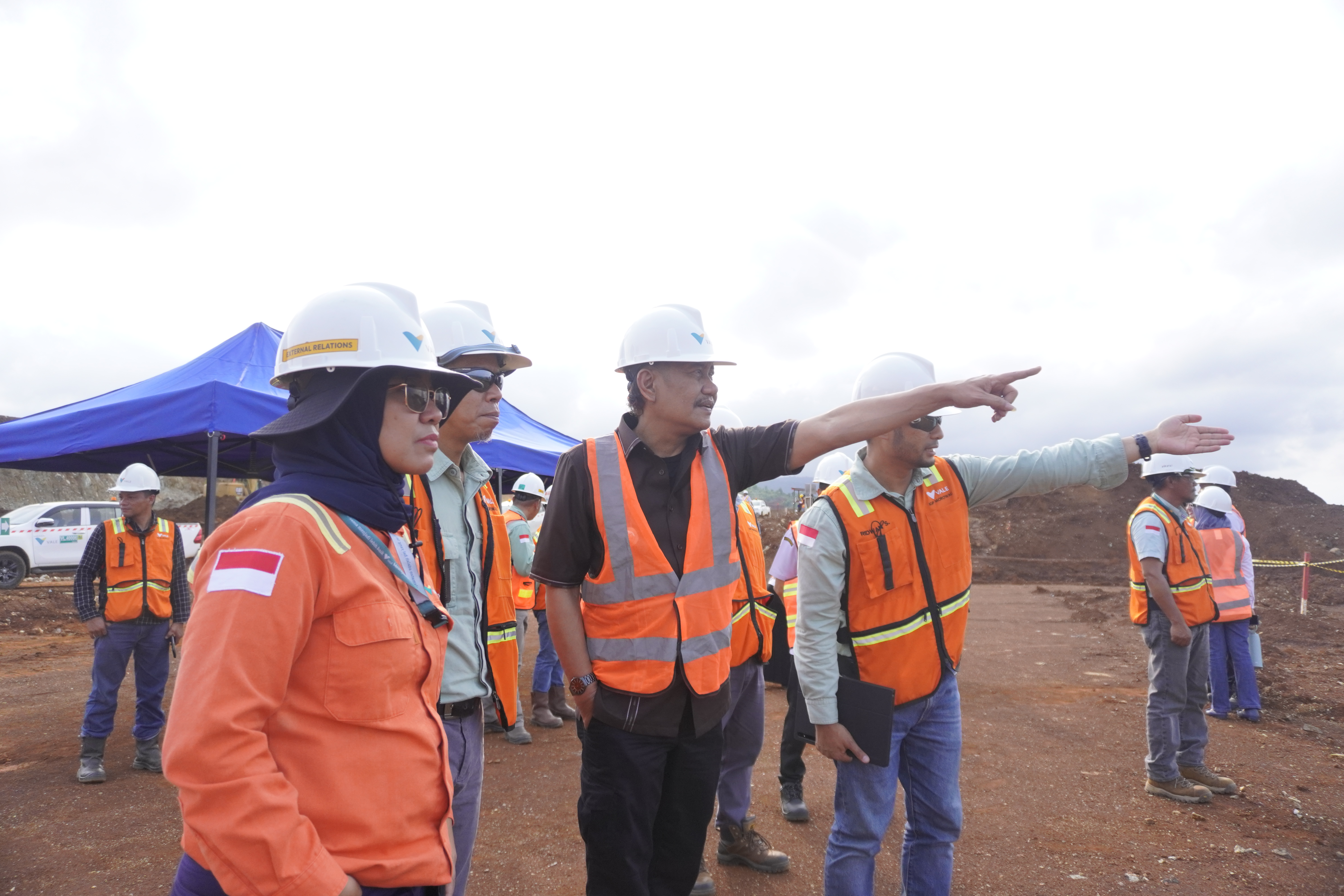
Our sustainability initiatives
Vale
Investors

© Vale | All rights reserved.
Vale
Investors
© Vale | All rights reserved.