Makassar, September 15, 2026 – Sustainable energy resilience is built not only through investments in power generation infrastructure, but also through responsible natural resource management and low-carbon innovation. This is the approach adopted by PT Vale Indonesia Tbk (“PT Vale”), part of Mining Industry Indonesia (MIND ID), in supporting Indonesia’s energy transition and industrial decarbonization efforts.
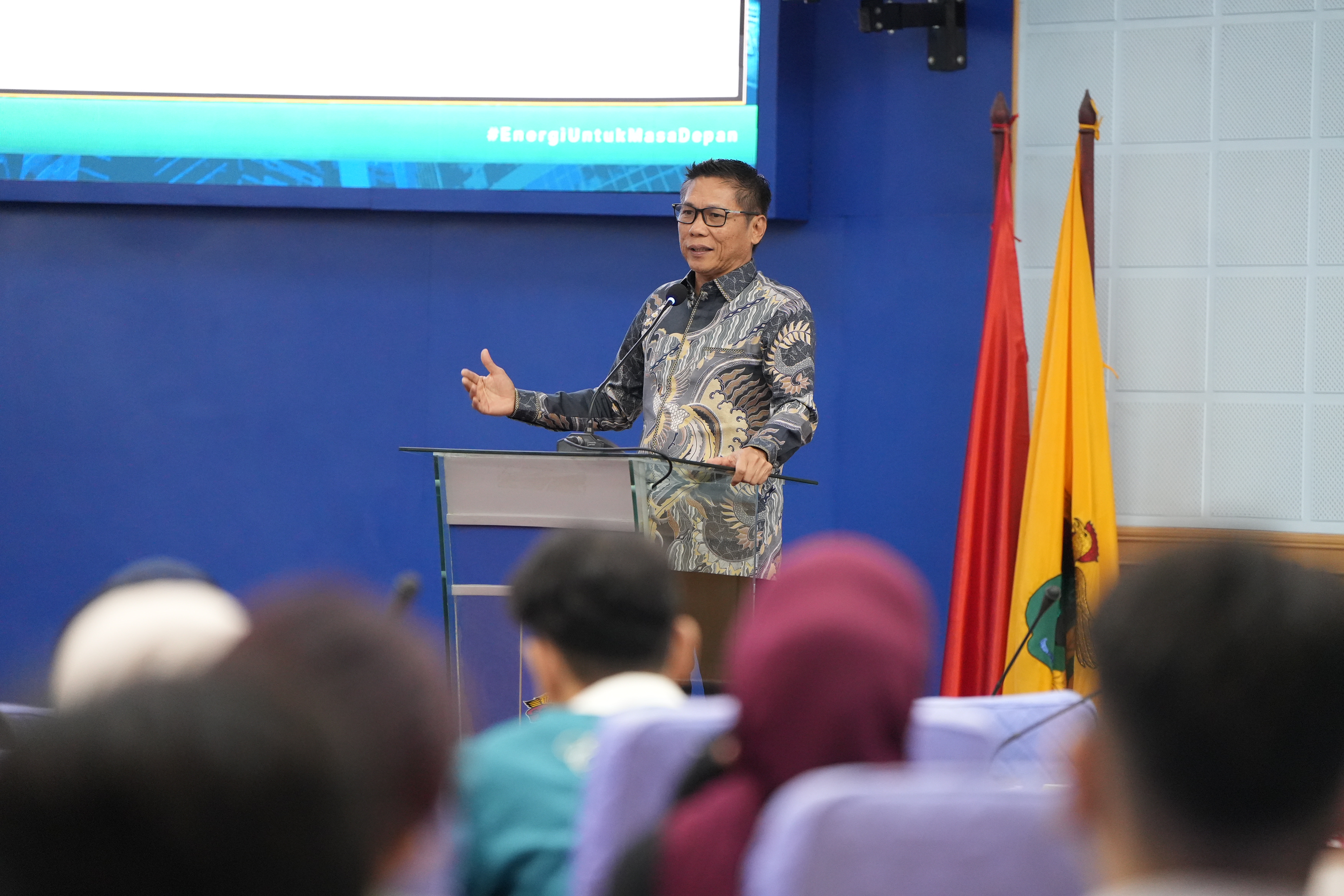
This commitment was highlighted during the Energy Policy Outreach Program organized by the National Energy Council (DEN) in collaboration with Hasanuddin University (Unhas) in Makassar.
PT Vale’s Vice President Director and Chief Operation & Infrastructure Officer, Abu Ashar, explained that the Company’s operations in Sorowako are powered by three hydroelectric power plants (HPPs): Larona, Balambano, and Karebbe. These facilities utilize the flow of the Larona River, which originates from Lake Matano, Lake Mahalona, and Lake Towuti, with a combined installed capacity of 365 megawatts (MW).
In addition to supplying electricity for PT Vale’s nickel mining and processing operations, 10.7 MW of the generated power is distributed through PT PLN (Persero)’s network to support electricity supply for communities in East Luwu Regency.
According to Abu, the sustainability of this energy system is inseparable from the implementation of good mining practices, watershed management, land rehabilitation, and continuous water quality protection.
“Protecting forests, safeguarding watersheds, and maintaining water quality are not only part of our environmental commitment, but also the foundation of our energy resilience. The energy we use comes from nature, and therefore the sustainability of our operations depends greatly on our ability to preserve these ecosystems,” Abu said.
PT Vale implements various environmental management measures to maintain water quality and ecosystem sustainability. In mining areas, runoff water is managed through sedimentation ponds and water treatment facilities before being discharged into natural water bodies, ensuring compliance with applicable environmental quality standards.
This approach forms part of PT Vale’s efforts to balance operational needs, environmental protection, and the long-term sustainability of energy resources.
Enhancing Resilience to Climate Variability
Water management is a critical aspect of maintaining the reliability of PT Vale’s energy system, particularly amid increasing variability in hydrological conditions.
Water volume and flow rates are regulated by considering hydrological conditions, power generation requirements, and the sustainability of lake ecosystems. This management approach aims to ensure a reliable water supply for electricity generation while promoting the responsible use of water resources.
These measures are part of the Company’s broader strategy to strengthen operational resilience against climate variability, particularly for industrial activities that rely on hydropower as their primary source of electricity.
Advancing Energy Efficiency and Industrial Decarbonization
In addition to utilizing hydropower, PT Vale continues to develop innovations aimed at improving energy efficiency and supporting operational decarbonization.
These initiatives include channel optimization and lining to reduce water losses and improve power generation efficiency, converting oil-fired steam boilers to electric boilers, optimizing ore management to reduce moisture content before the drying process, and enhancing the efficiency of material transportation systems.
The Company is also advancing various electrification programs and increasing the use of low-carbon energy as part of its transformation toward lower-carbon mining and processing operations.
“The use of hydropower as the primary electricity source for nickel processing operations helps Sorowako maintain a relatively low greenhouse gas (GHG) emissions intensity compared to several similar saprolite nickel processing facilities in Indonesia,” Abu noted.
Recognition from the National Energy Council
PT Vale’s long-term approach to water resource management and renewable energy development has received recognition from the National Energy Council.
Sripeni Inten Cahyani, a member of DEN, stated that the management of the three hydropower plants in Sorowako demonstrates practices that can serve as a valuable learning model for renewable energy development and the strengthening of Indonesia’s national energy resilience.
“Amid today’s extreme weather conditions, many hydropower plants have experienced a decline in production capacity. What is particularly noteworthy is that PT Vale’s hydropower plants continue to operate effectively. This provides an important lesson on how hydropower development and management can be integrated with environmental stewardship and watershed management,” Sripeni said.
According to her, energy resilience is determined not only by generation capacity but also by the ability to preserve the ecosystems that serve as the source of that energy.
PT Vale’s participation in the forum organized by DEN and Unhas reflects the importance of collaboration among government institutions, academia, and the business sector in strengthening Indonesia’s energy resilience.
In line with its vision of improving lives and transforming the future together, PT Vale remains committed to implementing responsible mining practices while creating economic value, protecting the environment, and supporting Indonesia’s energy transition, decarbonization agenda, and low-carbon development goals.
